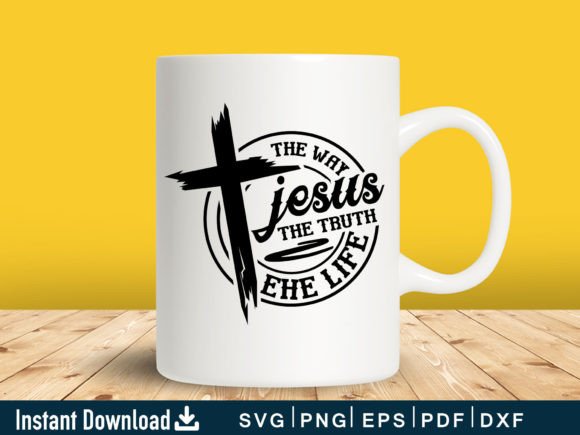
Funny Jesus Graphics for Faith-Based Crafts
As a digital publisher and blog designer, I constantly evaluate visual assets not just for their aesthetic appeal, but for their functional utility in a real content workflow. When reviewing the Funny Jesus the Way the Truth the Life asset, my first impression is one of approachable warmth mixed with distinct niche relevance. This is not a solemn, traditional religious graphic; it carries a playful, lifestyle-focused energy that immediately signals a specific type of content to the reader. For publishers operating in the faith-based, Christian living, or religious humor niches, this graphic design asset establishes an editorial mood that is modern, relatable, and intentionally lighthearted.
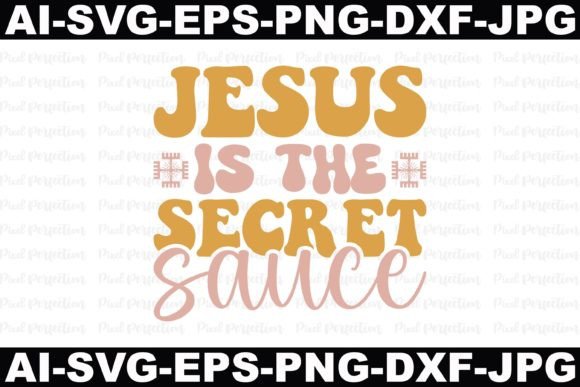
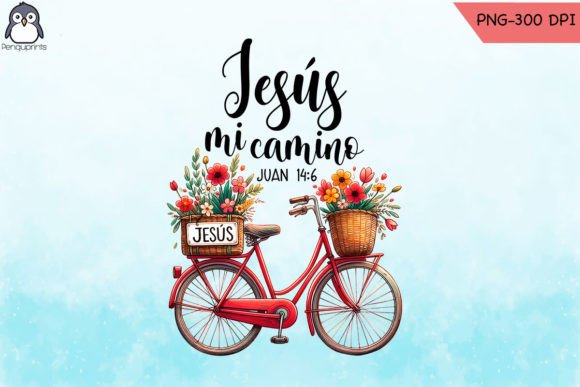
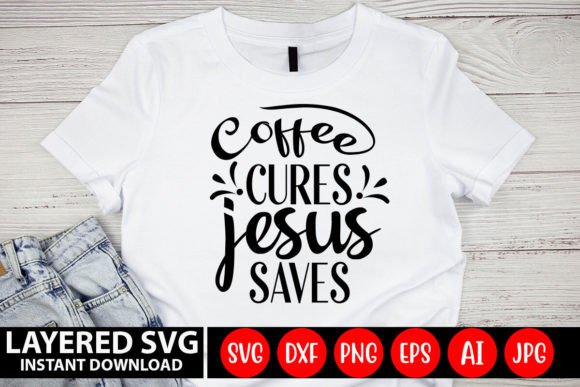
In the context of Crafts and digital publishing, this design bridges the gap between physical merchandise and digital content. While the source description highlights its origin as a t-shirt design for Jesus Day occasions or gifts, a seasoned web designer sees immediate potential for blog graphics and social media visuals. The typography and illustration style suggest a feminine yet bold aesthetic, making it highly suitable for personal blogs, ministry newsletters, or affiliate sites reviewing Christian apparel and gifts. It feels authentic rather than corporate, which is crucial for building reader trust in community-driven niches.
Strategic Placement in Editorial Workflows
Integrating Funny Jesus the Way the Truth the Life into a publishing schedule requires understanding where playful religious imagery performs best. In my experience managing content calendars, this type of asset excels as a featured image for listicles, gift guides, or opinion pieces regarding modern faith expression. It serves as an excellent visual anchor for articles titled "Fun Christian Gifts for Teens" or "Celebrating Jesus Day with Humor." Because the design originates from a digital download intended for apparel, it possesses a boldness that translates exceptionally well to Pinterest pin creation. Pinterest users respond to clear, text-forward graphics, and this asset’s composition likely supports high click-through rates when paired with complementary headlines.
Beyond standard blog posts, this asset has significant value for content marketing initiatives involving downloadable resources. If you are creating a lead magnet such as a "Christian Party Planning Guide" or a printable activity sheet for youth groups, this graphic provides instant thematic recognition. It can be adapted into a Canva template for Instagram stories or Facebook posts, ensuring consistent brand identity across platforms. For affiliate marketers promoting faith-based products, using this specific visual style helps categorize content mentally for the user, signaling that the page contains fun, shareable, and culturally relevant material rather than dense theological study.
Enhancing Visual Hierarchy and Reader Engagement
The primary goal of any website header or article graphic is to reduce bounce rates by confirming to the visitor that they have found relevant content. Funny Jesus the Way the Truth the Life supports a strong visual hierarchy by acting as a tonal indicator. When a reader scans a category page filled with serious devotionals, this graphic pops as a signal of levity and community. This contrast is vital for keeping audiences engaged over long sessions. Furthermore, for sites utilizing affiliate marketing, professional-looking custom graphics significantly outperform generic stock photos. Using a dedicated design asset like this demonstrates effort and curation, which directly correlates to higher conversion rates on product recommendation pages.
From a technical web design perspective, this asset also aids in navigation. Consistent use of similar stylistic elements in your Graphics library helps users intuitively understand your site structure. If every post tagged with "Humor" or "Lifestyle" features this style of artwork, readers learn to associate the visual cue with the content type. This subtle reinforcement improves the user experience and encourages deeper exploration of related articles. Additionally, for newsletter creators, placing this graphic in an email header can increase open-to-read ratios by injecting personality directly into the inbox, breaking up the monotony of text-heavy updates.
Contextual Awareness and Usage Limitations
While versatile, Funny Jesus the Way the Truth the Life must be deployed with editorial discretion. As a designer, I advise against using this asset in sections of your website dedicated to grief counseling, serious doctrinal teaching, or formal church administration. The playful tone could inadvertently undermine the gravity of sensitive topics. Similarly, caution is needed when designing for mobile thumbnails. Intricate details in illustrative printable design files often get lost at small sizes. Always test how the graphic renders at 150px width before committing it to a sidebar widget or mobile menu icon. If the text becomes illegible or the humor turns ambiguous at reduced scale, reserve the asset for full-width hero images or desktop-only layouts.
Another consideration is background contrast. Many digital product files come with transparent or white backgrounds. If your website utilizes a dark mode or colored content blocks, ensure the graphic maintains sufficient contrast ratios for accessibility. A funny design fails if the viewer has to strain to see it. Furthermore, avoid placing this asset adjacent to dense, academic serif fonts. The visual dissonance between a playful illustration and rigid typography can create a jarring user experience. Instead, pair it with clean sans-serif or handwritten display fonts that mirror the asset's inherent casualness. This alignment reinforces the modern design aesthetic and ensures the page feels cohesive rather than cluttered.
Publisher Checklist for Commercial Implementation
Before adding Funny Jesus the Way the Truth the Life to your live site or monetized content, run through this practical verification list to protect both your brand reputation and legal standing:
- Verify Commercial Licensing: Confirm explicitly that the commercial license permits use on affiliate blogs, ad-monetized sites, or within paid digital guide products. Personal use licenses do not cover revenue-generating publishing.
- Test Cross-Platform Rendering: Preview the graphic on iOS, Android, and desktop browsers. Ensure colors remain consistent and no transparency issues arise against different background codes.
- Optimize File Performance: Raw design files are often too large for web use. Compress the image to under 100KB for standard blog graphics to maintain fast load times and Core Web Vitals scores.
- Check Text Legibility: Overlay sample headlines on the graphic. Ensure there is adequate negative space for text without obscuring the core humorous message of the design.
- Audit Brand Alignment: Review your last five posts. Does this asset fit the established voice? Introducing a radically different visual tone requires a transitional strategy to avoid confusing loyal readers.
- Validate Source Integrity: When sourcing from a creative marketplace, ensure the file resolution is sufficient for both web display and potential repurposing into social media graphics or printables.
Ultimately, Funny Jesus the Way the Truth the Life represents a valuable tool for small business branding and niche content creators. It solves a specific problem: the need for faith-based visuals that feel human, current, and engaging rather than sterile or outdated. By treating this graphic design asset as a strategic component of your editorial calendar rather than mere decoration, you enhance the overall quality of your digital publication. Whether used to drive traffic via Pinterest, improve the aesthetic of a content upgrade, or simply bring a smile to a subscriber's face during a newsletter read, this design supports the dual goals of professional presentation and authentic connection. Just remember to always prioritize context, performance, and licensing compliance to ensure your creative choices support sustainable publishing growth.