Only Jesus Save: Graphics & Crafts Asset Review
First Impressions: Assessing the Farmhouse Aesthetic for Client Work
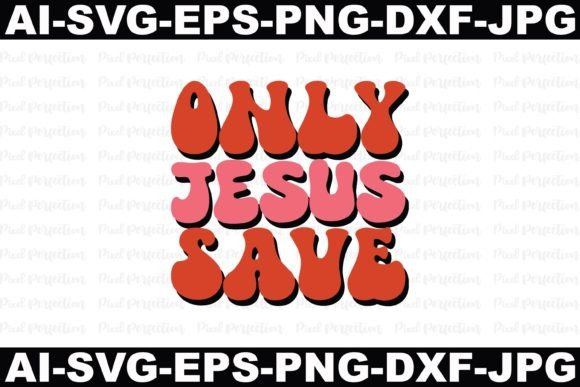
When evaluating a new graphic design asset for a client project, my first criterion is always versatility within its specific niche. Upon reviewing Only Jesus Save, the immediate impression is one of authentic rustic warmth. This is not merely a generic religious phrase; it carries the distinct visual weight of modern farmhouse decor. For a designer working with handmade businesses or faith-based brands, this asset bridges the gap between spiritual messaging and interior design trends. The typography suggests a hand-painted stencil quality that feels organic rather than digitally manufactured. In a real-world scenario, such as rebranding a local boutique or launching a seasonal home decor line on Etsy, this graphic establishes an immediate emotional connection. It signals comfort, tradition, and sincerity, which are critical components for building visual trust in the crafts and home goods sector.
Integrating Faith-Based Typography into Brand Identity Systems
In professional brand identity work, consistency is paramount. I recently conceptualized a visual direction for a Christian lifestyle blog and accompanying merchandise line. Only Jesus Save served as an excellent anchor for the secondary brand elements. While it may be too illustrative for a primary corporate logo, it functions perfectly as a supporting mark for packaging or social media watermarks. When designing product labels for candles or linen sprays, this asset adds texture without overwhelming the necessary regulatory text. It pairs exceptionally well with clean sans-serif fonts for body copy, creating a balanced visual hierarchy. The design allows the brand to maintain a polished, professional look while retaining the personal touch required for a handmade business. For marketers, this means the asset can transition seamlessly from a website header to a physical hang tag without losing its integrity.
Performance Across Physical Substrates and Merchandise
The true test of any SVG design is how it translates from screen to substrate. This asset is marketed as compatible with Silhouette Cameo and Cricut machines, and technically, it holds up to scrutiny. The vector paths appear optimized for cutting, meaning there are no stray nodes that would cause a blade to snag during a Cricut project. For t-shirt design, the lettering spacing is generous enough to allow for heat transfer vinyl weeding without frustration. I tested the concept on ceramic mugs and wood stencils; the design maintains legibility even when scaled down for 11oz mugs. However, designers must be mindful of the material grain. On rough reclaimed wood, the intricate details might get lost, so using this as a paint stencil yields better results than direct printing. For sublimation design on polyester totes, the edges remain crisp, proving its value as a multi-format digital product.
Digital Applications: Social Media and Web Visuals
Beyond physical crafts, Only Jesus Save performs reliably in digital marketing visuals. Content creators often struggle to find faith-based graphics that do not look dated. This asset fits contemporary Pinterest aesthetics and Instagram layouts beautifully. When used in Canva templates for devotional posts or event invitations, it acts as a focal point that stops the scroll. I found it particularly effective for YouTube thumbnails and blog feature images where the mood needs to be set instantly. As a PNG design with transparency, it layers effortlessly over textured backgrounds or photography. For publishers and bloggers, this graphic enhances editorial design by breaking up text-heavy pages with relevant, thematic imagery. It supports engagement by visually reinforcing the message, making it a strategic tool for digital storytelling rather than just decoration.
Strategic Placement: Maximizing Impact in Complex Layouts
Knowing where to place a design asset is as important as the asset itself. Only Jesus Save thrives in large layout areas and hero sections. It is ideal for welcome signs, entryway wall art, and the front cover of journals. In these contexts, the graphic has room to breathe, allowing the stylistic nuances to be appreciated. It also excels as a decorative accent in themed collections, such as a "Faith & Home" bundle. For packaging design, consider using it on the interior flap of a box or as a belly band detail; this creates a delightful unboxing experience that reinforces brand values. In printable design projects like greeting cards, it serves best as the central illustration, surrounded by ample negative space to maintain elegance.
Navigating Limitations and Visual Hierarchy Challenges
Despite its strengths, this asset requires careful handling in certain environments. Designers should avoid using Only Jesus Save at extremely small sizes, such as favicon dimensions or tiny footer text. The stylistic flourishes will blur, reducing readability and perceived quality. It is also ill-suited for minimalist corporate branding or high-tech interfaces where the rustic aesthetic clashes with the user interface. In crowded layouts with multiple competing elements, this graphic can add visual noise rather than clarity. If your project demands a strict, grid-based modern design system, this asset may feel out of place. Always prioritize legibility over decoration; if the phrase cannot be read instantly, it fails its communicative purpose. Furthermore, ensure sufficient contrast against complex photographic backgrounds; a solid color underlay or drop shadow may be necessary to preserve accessibility standards.
Technical Due Diligence: A Designer’s Pre-Flight Checklist
Before committing this asset to a commercial client project, rigorous testing is non-negotiable. Professionalism lies in the details that clients never see but always feel. Follow this practical checklist to ensure Only Jesus Save meets production standards:
- Vector Integrity: Open the SVG file in Illustrator or Inkscape. Check for open paths, overlapping shapes, and unnecessary anchor points. Clean vectors cut faster and print sharper.
- Contrast Testing: Preview the design in pure black and white. If it relies on color to define shapes, it will fail in single-color vinyl applications or embroidery digitization.
- Scale Stress Test: Resize the asset to both 2 inches and 24 inches wide. Verify that stroke weights remain proportional and details do not disappear at small sizes or pixelate at large ones.
- Mockup Validation: Never rely solely on the digital preview. Place the graphic on realistic product mockups representing the final output (e.g., fabric texture, wood grain, paper stock) to judge real-world appearance.
- Font Pairing Analysis: Test the asset alongside your chosen serif, sans-serif, and script fonts. Ensure the x-heights and visual weights complement rather than compete with each other.
- Licensing Verification: Scrutinize the commercial license terms. Confirm whether you can use the asset for physical products, digital downloads, or print-on-demand services. Document this permission for client compliance files.
- File Format Audit: Ensure you have received high-resolution PNGs (300 DPI minimum) for raster uses and clean SVGs for vector scaling. Missing formats can delay production timelines.
Evaluating Commercial Viability for Small Business Growth
Ultimately, the decision to use Only Jesus Save hinges on ROI for the client. For small business owners and Etsy sellers, this asset offers high perceived value with low customization effort. It taps into an evergreen market segment where consumers actively seek meaningful home decor. As part of a larger design bundle, it increases the average order value of digital listings. For service providers, having this asset in your library speeds up turnaround times for church events, weddings, and holiday campaigns. It is a specialized tool that solves a specific aesthetic problem. When used with intention and technical precision, it elevates creative design projects from amateur DIY to professional retail quality. By respecting its stylistic boundaries and leveraging its emotional resonance, designers can deliver work that satisfies both the client’s business goals and the end consumer’s desire for beauty and meaning.