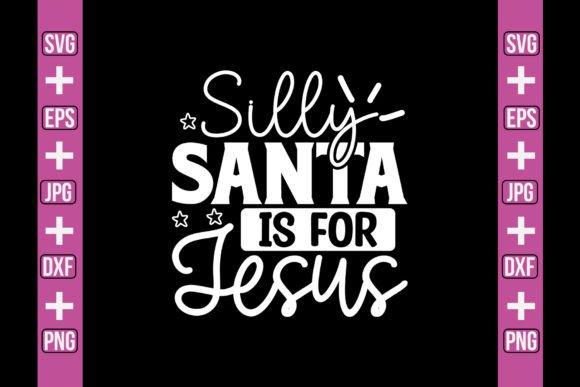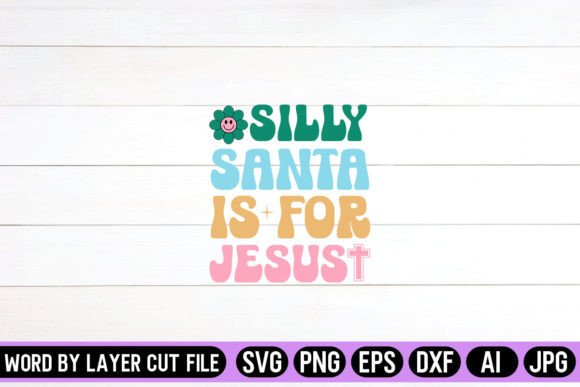
Silly Santa is for Jesus: Retro Design Review
As a professional embroidery designer and product reviewer, I approach every new digital asset with a critical eye. When evaluating the Silly Santa is for Jesus Retro Design, my first thought isn't just about the aesthetic appeal; it is about how this graphic translates from a screen to a tangible, stitched reality. In the world of Crafts and Graphics, retro styles are currently dominating the market, but nostalgia only sells if the execution is flawless. This design captures a specific vintage charm that feels authentic rather than forced, evoking a warm, humorous sentimentality that resonates deeply with modern makers and buyers alike.
The visual personality of this artwork strikes a delicate balance between whimsy and reverence. The retro typography suggests mid-century inspiration, likely featuring bubbly serifs or playful scripts that were popular in holiday ephemera from decades past. For an embroidery project, this mood is gold. It doesn't feel like generic clip art; it feels like a curated piece of heritage. However, as someone who digitizes and stitches daily, I know that what looks beautiful in a vector format requires careful consideration when converted into thread paths. The "Word By Layer" aspect of this download is particularly significant for us, as it implies distinct separation of elements, which is crucial for color blocking and managing stitch density in complex lettering.
Real-World Application: Stitching the Vintage Vibe
To truly understand the value of this machine embroidery design, I mentally placed it into a real-life production scenario. Imagine preparing a custom embroidered sweatshirt for a boutique holiday collection. Sweatshirt fleece is a forgiving fabric, but it has texture that can swallow fine details. With the Silly Santa is for Jesus Retro Design, I would envision this centered on the chest or as a large back print. The retro nature of the font typically allows for slightly bolder lines, which is advantageous here. Thin, spindly vintage fonts often get lost in fleece nap, but if this design maintains adequate stroke width, it will pop beautifully against a cream or sage green heavyweight cotton blend.
I also considered this design for a personalized gift, specifically a holiday tea towel or tote bag design. These items require high visibility and durability. A tote bag, often made of canvas or duck cloth, provides a stable foundation for embroidery. Here, the design’s layout matters immensely. If the text stack is too tall, it might interfere with the bag's handles or seams during hooping. The layered SVG files included in the download allow me to manipulate spacing before digitizing, ensuring the composition fits perfectly within the safe stitch area of my hoop size without distorting the retro proportions. For a tea towel, where washing frequency is high, I would evaluate whether the design relies too heavily on satin stitch columns. Wide satin stitches on linen can pull or pucker after laundering. Ideally, this retro style utilizes fill stitches or textured running stitches that mimic vintage printing techniques, offering both aesthetic accuracy and structural integrity.
Navigating Fabric Challenges and Technical Limits
While the Silly Santa is for Jesus Retro Design is versatile, there are specific environments where caution is necessary. As an experienced apparel decorator, I must warn against using intricate retro typography on highly stretchy fabrics like ribbed knits or thin jersey without significant stabilization. Retro fonts often have varying baseline alignments; if the fabric shifts during stitching, the letters will look misaligned, destroying the professional finish. Always use appropriate stabilizer, such as cut-away for stretchy garments or tear-away for stable wovens, to maintain registration.
Dark fabrics present another challenge. Retro designs often rely on negative space or internal detailing to define letterforms. On black or navy fabric, these subtleties can vanish unless you plan your thread colors strategically. You may need to add an underlay or adjust the digitizing to create more contrast. Furthermore, be wary of small hoop sizes. Scaling down a complex retro word stack can result in tiny lettering that turns into a thread nest. Before committing to a baby embroidery project or a cap, test the design at your intended size. Caps introduce curvature that can distort horizontal text lines; ensure the design’s geometry accommodates this distortion or modify the arc in your software.
Detailed corners and decorative accents are common in retro graphics. In a digital file, they are crisp; in embroidery, they are potential failure points. Sharp interior angles in block letters can cause needle breaks or thread bunching if not properly digitized with tie-ins and tie-offs. Since this product includes DXF and EPS files alongside the SVG and PNG, you have the raw vectors needed to inspect these areas before stitching. Never assume a digital download is stitch-ready out of the box; always verify the pathing.
Commercial Viability and Brand Trust
For Etsy sellers and small shop owners, the Silly Santa is for Jesus Retro Design offers strong commercial potential, provided it is executed with professionalism. Customers associate retro aesthetics with quality and timelessness. A well-stitched version of this design on custom apparel signals that your brand understands current trends while respecting craftsmanship. This directly impacts buyer engagement and perceived product value. A sloppy stitch-out, conversely, erodes trust instantly.
When creating printable mockups for your listings, utilize the included PNG file to showcase the design clearly. However, I strongly advise testing the design in both black and white mockups as well as full color. This ensures the design reads well regardless of how a customer views it on their device. Consistency in your handmade product presentation builds brand recognition. If you sell this as part of a larger holiday embroidery collection, ensure the stitch density and style match your other offerings. Mixing dense fill stitches with lightweight running stitch designs in the same collection can make your shop look disjointed.
Essential Designer Notes for Success
Before you load this digital embroidery file into your machine or list a finished product, adhere to these practical guidelines:
- Test on Scrap Fabric First: Never stitch a new design directly onto a final product. Use a scrap of the exact fabric and stabilizer combination you intend to use. Check for puckering, registration issues, and thread tension.
- Verify Licensing Terms: The product description specifies "Digital Download Only." Confirm whether your purchase includes commercial rights for selling physical embroidered items versus selling the digital file itself. Protecting your craft business starts with respecting intellectual property.
- Check Thread Color Contrast: Retro designs often use muted or specific color palettes. Ensure your chosen thread colors provide enough contrast against your base fabric, especially for small text elements.
- Inspect Small Details: Zoom in on the AI or EPS files. If any element is thinner than 1mm, it may need to be thickened or converted to a running stitch to prevent breakage.
- Evaluate Hoop Size Compatibility: Measure the design dimensions against your available hoops. Remember that resizing vector graphics affects stitch count and density non-linearly; significant resizing requires re-digitizing, not just scaling.
- Review Stitch Density: For items needing frequent washing, like kitchen towels or baby clothes, avoid excessive density. Overly dense retro fills can make the fabric stiff and prone to tearing.
- Mockup Realistically: When using the PNG for digital product previews, place it on realistic garment templates rather than flat white backgrounds to give customers a true sense of scale and placement.
The Silly Santa is for Jesus Retro Design is a promising asset for creative entrepreneurs and hobbyists. Its charm lies in its nostalgic voice, but its success in your studio depends entirely on your technical diligence. By treating this graphic not just as art, but as a blueprint for physical construction, you ensure that every sweatshirt embroidery, embroidered patch, or holiday gift you produce honors both the design’s intent and your reputation as a maker. Whether you are creating commercial embroidery for a boutique or a personalized gift for a loved one, let practical judgment guide your needle.